
Breaking Bread: Why Sourdough Is Making a Comeback
- cottagecorebakes1
- May 7, 2025
- 5 min read
Sourdough!
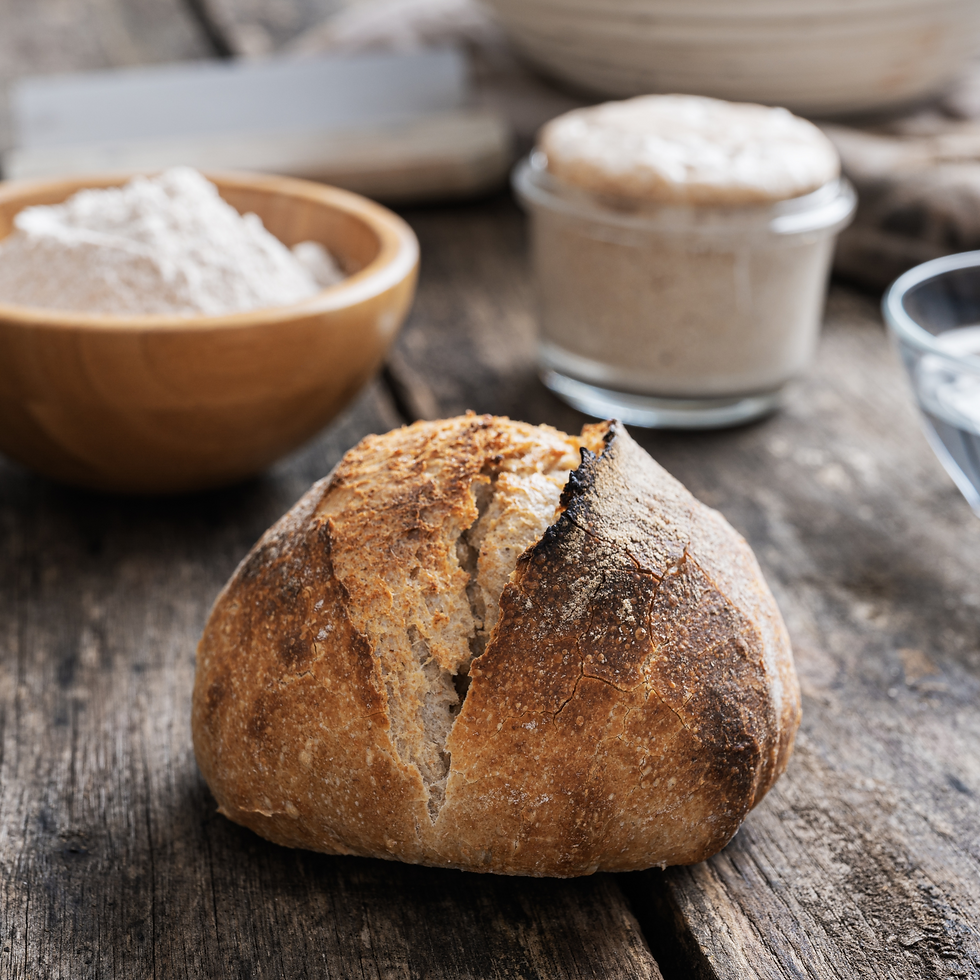
Alllllllrighty, let’s talk about Sourdough. What is with all the hype around bread? Why are so many people ditching the convenience of regular store bought white bread to set aside days of their lives to make a single loaf of sourdough or go out of their way to buy homemade traditional sourdough? Why are so many people losing their minds over BREAD?
Well let’s talk about it! So there are several different reasons that people have made the switch to this traditional form of bread making, so let’s start at the beginning.
A Brief History of Bread
So, In the beginning, there was bread.
Well not quite, but bread making sure has been a part of our lives literally since the beginning of recorded history. And what type of bread were they making at the beginning of time, you may ask? Well the answer is - Sourdough! That’s right, the earliest record of bread making refers to sourdough, dating all the way back to the ancient Egyptians circa 2000 BC (Lau SW). In addition to samples of actual dormant sourdough starter being taken from Egyptian archeological digs (Cat) there are also multiple references to sourdough starter in various historical texts, the foremost being the Jewish Torah. It is referred to as “leaven” in the book of Exodus. The word for “leaven” comes from the Hebrew word “seor” which often refers to what we now know as sourdough starter. Later on in the Bible we get the phrase, “A little leaven leavens the whole lump” (Galatians 5:9 ESV) which is exactly what we do when we make sourdough, using a little starter to make the whole batch rise.
Traditional sourdough uses only three ingredients - flour, water, and salt - and this style of bread making consistently sustained and provided nutrients to the human race for literally thousands of years.
The Decline of Bread
So what went wrong??? How could something that was a staple for humanity throughout the ages all but disappear? The answer starts in the Industrial Revolution. During this time there was a large lifestyle shift as many people started leaving the family farms and moving into cities to work the factories. This led to an increase in demand for bread but a decrease in the wheat being grown in the states. This pushed the US to start importing grains (NinthRoot) while at the same time companies worldwide were trying to speed up the bread making process to meet the increased demand. Aaaaand this is where things start to go downhill. Companies experimented with ‘aerated bread’ where they combined “flour and water supersaturated with carbon dioxide under pressure” to create completely yeast free bread. Later on many American companies “discovered that the addition of certain chemicals and enzymes – bread “improvers” – to the dough could shorten the process to two hours.” All of these improvers included -
Ascorbic acid – used to strengthen the gluten
Hydrochloride – gluten softening and clearing
Sodium metabisulfate – gluten softening and clearing
Ammonium chloride – food for yeast
Phosphates – food for yeast
Amylase – enzyme used to break down starch into simple sugars, thereby letting yeast ferment quickly
Protease – enzyme used to improve extensibility of the dough
These artificial ingredients and chemicals lead to a boom of “mass-produced soft, damp, nutritionally deficient chemical-laced bread” (When did our daily bread take a wrong turn?)
Health Impacts of Modern Bread
Sooo how does this new type of bread affect our health? After all, this new bread can’t be very different from the highly nutritional and sustaining bread that humanity depended on for thousands of years, right? Wrong. In fact, the way that wheat is processed to create our current daily bread takes out “most or all of the fiber, vitamins, and minerals” resulting in bread that can often do more harm than good (Medical News Today). According to numerous studies on the matter, some of these negative side effects of processed bread and wheat can include weight gain, digestive issues, nutrient deficiencies, mental health, gut health, and even cancer risks. In my own life the constant consumption of these processed bread products led to my body building up an intolerance to gluten and resulted in my having to go entirely gluten free. I know of so many people who have suffered from many of these because our bread and wheat is just no longer helpful or healing to your body like it used to be.
The Rise of Sourdough (Again)
Now knowing the history of bread and how much it’s changed in the last century it’s not surprising to see that many people are finally waking up to the sad truths about and negative effects from grocery store bread and deciding to do something about it. Starting in the 90s and carrying on into today, with a large resurgence during COVID lockdown, sourdough has been the nutritional option that many have chosen to replace the chemically dangerous store bought breads. This movement started by people heading back to the basics, the ancient basics from thousands of years ago, and slowing down a bit to make nutritionally dense, gut healthy bread that is finally healing and sustaining like it was to our ancestors. Healthy sourdough (that uses nutrient dense flour and unprocessed ingredients) have been shown to help with general body function, disease prevention, lower blood sugar levels, and improved digestive health by introducing the good bacteria found in traditional sourdough (WebMD). In addition, its fairly straightforward bread making process makes it beginner friendly and therefore very popular to both new and experienced bakers alike. These factors, along with a movement of people striving to slow down their living, contributes to the increasing popularity and kind of cult following that sourdough has obtained in the last number of years.
So Now What?
So what now? The knowledge that Store bought bread = bad and Sourdough = good is great and all, but where do you go from here? Well, if you have the time and desire to try a new hobby then I highly recommend trying your hand at making your own sourdough bread! There are so many resources out there to help first time sourdough bakers; from YouTube videos, in-person classes, preestablished starter, blogs, and everything in between, the ability to make your own nutritious and gut healthy bread for your family is right at your fingertips. However, if making a loaf of bread over the span of three days is just not a good fit for your life at this point but you still want to make a healthy change for your family, no problem! There are traditional sourdough bakers and microbakeries popping up all the time that would just love to help provide their community with good sourdough bread. Check out your local neighborhood Facebook pages or neighborhood apps to see if there is any of these near you. If not, maybe this is your chance to become your local sourdough baker.
Choosing health starts with small, intentional decisions—like replacing processed store-bought bread with nourishing, healing sourdough. It's a simple shift that can lead to lasting change for you and your family. Your health, and your families, is worth the mindful and informed choice.
Citations -
Cat, L. A. (2019, September 16). Tasting History: Bread Baked with 4,500-Year-Old Yeast from Ancient Egyptian Pottery. Forbes. Link
Lau, S. W., et al. (2021). Sourdough Microbiome Comparison and Benefits. Microorganisms, 9(7), 1355. https://doi.org/10.3390/microorganisms9071355
Medical News Today. (n.d.). Bread: Is it Good or Bad for You? Link
NinthRoot. (n.d.). The History of Bread-Making. Great Harvest Layton. Link
WebMD. (n.d.). Sourdough Bread: Is It Good for You? Link
GoodFood World. (n.d.). When Did Our Daily Bread Take a Wrong Turn? Link

Comments